How to Prevent Your Business from Sleepwalking into a Premises Licence Review

By Edward Sherry OBE, Director of Strategic Licensing and Night-Time Economy
To reduce the risk of a premises licence review, it’s important for businesses to understand their licence conditions, carry out regular compliance checks and address potential problems early. Ongoing licensing compliance can prevent small issues from becoming a problem and prompting a review.
The purpose of any business is to make money and, within the hospitality industry, for businesses carrying out licensable activities, having the appropriate licence in place is essential. It is therefore surprising that so many operators fail to prioritise the need to be compliant with the licence conditions placed upon them.

Why licensing problems become a business crisis
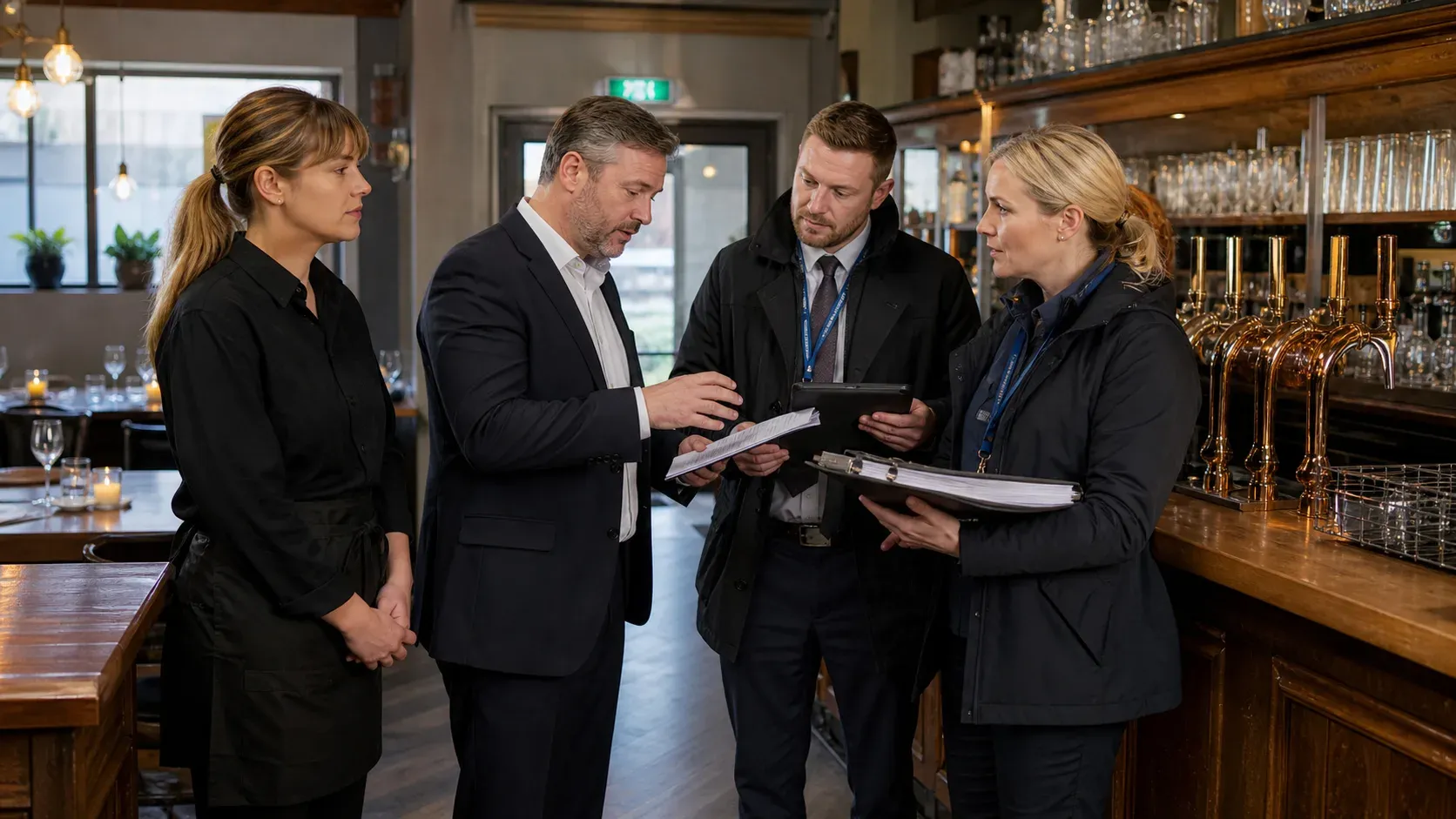
Time after time, Complete Licensing is called to assist when abusiness is in crisisafter coming to the notice of the authorities for breaches of their licence conditions. The ensuing costs are significant and I have witnessed the emotional stress that is placed on the owners, managers and staff with the threat of closure to their premises hanging over them.
In these circumstances, our experts at Complete Licensing will work with your management team to provide the best opportunity to retain the appropriate licence. Once any hearing is completed, and management have looked immediate closure of their business in the eye, it is noteworthy how receptive they usually are to ensuring ongoing compliance so that they’re never put in the same situation again.
How small compliance failures can build
On numerous occasions, these licensing reviews come as a surprise to management who are left wondering how it became such a serious situation. However, it is my experience that these ‘unforeseen circumstances’ are anything but. There would normally have been many clues over a long period of time, when a small intervention could have avoided issues from escalating into a ‘crisis’ stage.
A gradual accumulation of unseen risks is a well known phenomenon in all regulated industries and has been named ‘The incubation period of a disaster’. During this ‘incubation period’ a number of unnoticed events and bad working practices accumulate over time, unseen by management. These eventually culminate in a significant adverse event that leads to regulatory intervention, followed by a reset of operating standards within the operation.
Warning signs for a business that licence conditions are not being followed effectively could include incomplete incident or refusals records, staff who are unsure of licence conditions, recurring noise complaints or faults with CCTV that remain unresolved. These issues can often go unnoticed by management until a licence review occurs and business processes are put under scrutiny.
On their own, these issues can seem minor but repeated problems or a failure to act on them can indicate that day-to-day processes and procedures are not adequate.

How to reduce the risk of a premises licence review
Although no compliance programme can guarantee that a review will be avoided completely, Complete Licensing works with operators to provide guidance that ensures management teams not only understand the importance of compliance but also implement robust practical processes that take the stress and effort out of ensuring ongoing compliance within the conditions.
This can be undertaken in a number of stages, with a menu of options available depending on the needs of the venue. These can include:
● Working with management to ensure an in-depth understanding of each licensing condition
● Designing a framework that ensures all conditions have appropriate checks to ensure compliance
● Helping management implement and embed the compliance framework
● Providing regular licensing training for management and staff[1]
● Checking compliance in real time situations through site visits
● Undertaking regular licensing compliance checks[2]
If, during a review of how your premises meets your licence conditions, a problem is identified, we recommend recording exactly what needs to change, who is responsible and when the change should be implemented by. Future checks should then review whether this change has worked and retain the supporting evidence, such as within maintenance records or in staff training logs. This will allow management teams to keep a record of improvements and provide a historic record of the steps taken to address concerns. In the event of a review, your business is then able to prove that you’re taking necessary steps to keep within your licence conditions and ensure the right policies and procedures are in place at all times.
The benefits of ongoing licensing compliance
Ensuring your business follows processes that ensure your licence conditions are followed on an ongoing basis rather than immediately following a licence review or after an application provides a range of benefits including:
● It provides ongoing expert support in a high-risk area of business
● It allows management to continue with day-to-day business with the added reassurance that ongoing compliance is being monitored by experts
● It demonstrates a professional approach that will support any case for extensions to hours or other variations
● It helps reduce the potential of a costly review and the emotional stress that it brings with it
● It provides robust evidence of long-term compliance to a licensing committee should a review be considered
This approach has proven successful with clients who either run one premises or are expanding their brand across multiple sites and so require more strategic oversight to ensure consistency across their brand.
If you’re concerned about your licence conditions or day-to-day compliance, please get in touch with Complete Licensingto discuss the support your premises needs.

About the author
Edward Sherry is Director of Strategic Licensing and Night-Time Economy at Complete Licensing. Ed is a former Metropolitan Police Chief Inspector and brings over 30 years of policing, licensing, public safety and crisis management experience to businesses operating in the hospitality, leisure and entertainment industries.